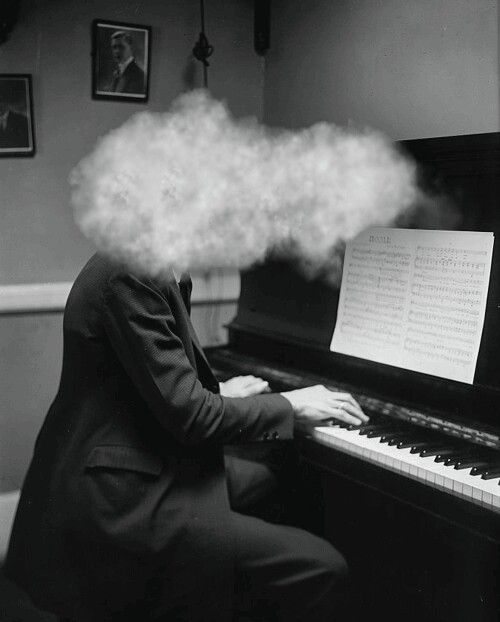
Therapeutic songwriting is a creative process that harnesses the power of music and lyrics to facilitate emotional expression, exploration, and healing. It involves using songwriting as a medium for individuals to delve into their thoughts, feelings, and experiences in a safe and supportive environment. Through the act of writing lyrics and composing melodies, we can externalize our internal struggles, gain insights into our emotions, and develop coping strategies. Therapeutic songwriting is, not only about the final product, but also the journey of self-discovery and self-expression that occurs throughout the process.
Techniques for Therapeutic Songwriting
Therapeutic songwriting encompasses a variety of techniques aimed at fostering emotional expression, self-reflection, and healing through the creative process of writing songs. Some techniques commonly used in therapeutic songwriting include:
- Lyric Journaling: To write freely about our thoughts, feelings, and experiences in a journal. This process allows us to self-reflection and exploration of personal themes and narratives.
- Guided Imagery: To use guided imagery exercises, we can visualize scenes, memories, or emotions, that can inspire the creation of lyrics and melodies.
- Song Prompts: To provide specific prompts or themes can help spark our creativity and guide the songwriting process.
- Metaphor Exploration: My favorite technique. This encourages us to use metaphors and symbolism in our lyrics to provide a powerful means of expressing complex emotions and experiences. Metaphors can be used as a way to communicate feelings and perspectives that may be difficult to express directly.
The Road to Paradise: My Songwriting Therapy Album
My last album, "The Road to Paradise I", is the perfect example of therapeutic songwriting, it was structured from a storyteller's point of view reflecting on the past as challenges that brought not only a manual of learning lessons but also 360 development in every aspect of my life.
I was inspired by meditation and ambient music, by uncountable sessions of breathing at the music compass, and by freestyling my pain as I let go of anything that could be blocking my ride. This album allowed me to learn about what are my priorities in life, what are the things that matter, and just care about that.
I would like to share with you a brief summary of the meaning of each of my songs on this album and the impact it had on my musical healing process:
1. The Road to Paradise: Self-reminder to keep fighting, keep going, and keep the faith. When I am overwhelmed that's where I go.
2. Out of the Black, Into the Blue: The whole journey, self-acceptance, self-discovery, the exploration of freedom, and general improvement.
3. Ode to my Foundation: The power of family, no matter what, your family (most of the time) will be there and support you unconditionally.
4. Talking to My Younger Self: The memories, childhood traumas, and empathy with my experiences as a child to understand my present.
5. How to Not Give a Fuck: An anthem to not give a single f*** to what people say. PERIOD!
6. The Moon is My Witness: I found out that I am never alone, the moon is my light through the darkness and the only one that knows the reason behind my waterfall eyes.
Inspirations to start with therapeutic songwriting
Getting started on therapeutic songwriting can be a rewarding and empowering process. The baseline is to connect with yourself and define the honest intention behind it. One of the ways that helped me to get to that level of self-knowledge was through meditation music, specifically:
Healing Music
Healing music contains a diverse range of musical styles and techniques that are specifically designed to promote relaxation, reduce stress, and support emotional and physical well-being.
What is the best music for healing?
In my opinion, some of the most notable types of healing music are:
- Ambient and New Age Music: Ambient music is characterized by atmospheric soundscapes, gentle melodies, and minimalist compositions, creating a soothing and immersive listening experience. New Age music often incorporates elements of ambient, world, and electronic music, featuring serene melodies, nature sounds, and ethereal textures. Both genres are commonly used for relaxation, meditation, stress reduction, and promoting a sense of calm and tranquility.
- Instrumental Music: Instrumental music, whether solo piano, acoustic guitar, or orchestral arrangements, provides a tranquil and introspective backdrop for healing and emotional expression. Without lyrics to distract, instrumental compositions allow us, listeners, to immerse ourselves fully in the music, facilitating relaxation, deep breathing, and focused awareness.
- Classical Music: Classical compositions, particularly those with slow tempos, gentle melodies, and emotive harmonies, are renowned for their therapeutic effects on the mind and body. Pieces by composers such as Johann Sebastian Bach, Ludwig van Beethoven, and Wolfgang Amadeus Mozart are often used for relaxation, stress reduction, and promoting emotional well-being.
Thanks to healing music, I could let myself flow with the music and concentrate on each theme that I wanted to channel. I used to work with deep writing sessions by disaggregating the main theme into specific scenarios where I felt or experienced that feeling. Next, I wrote about it with freedom and acceptance, not only focusing on me but also on my surroundings and everything that connected me to that moment.
Don't forget to play with the beat, find your melody, build metaphors, assign emotions to your words, and let the magic do its thing.